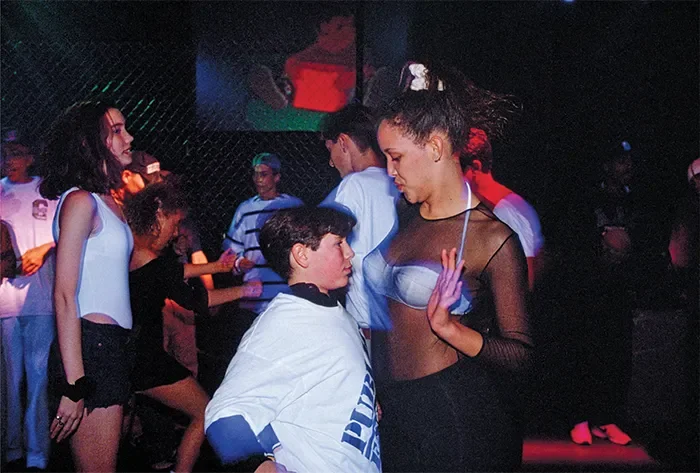
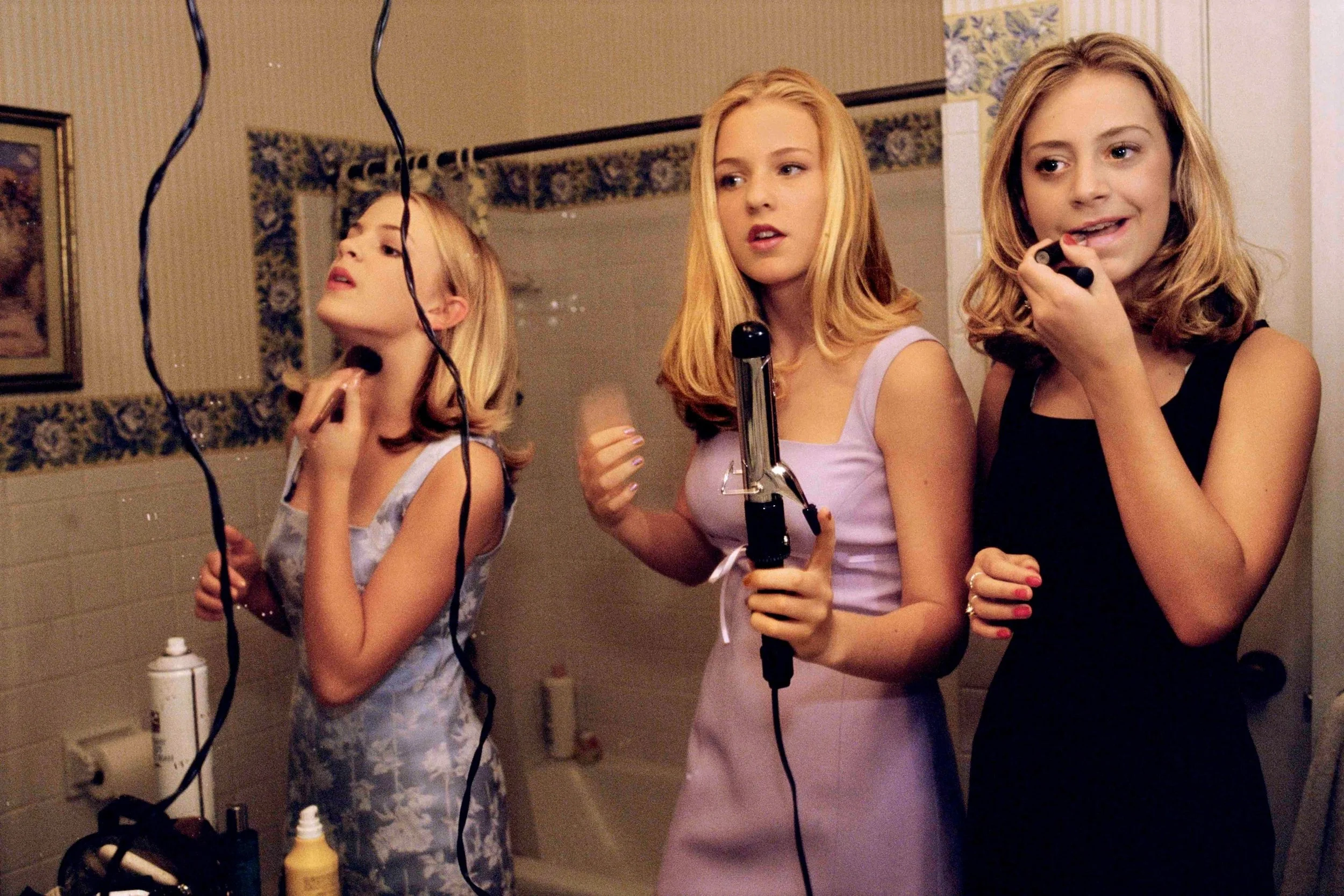
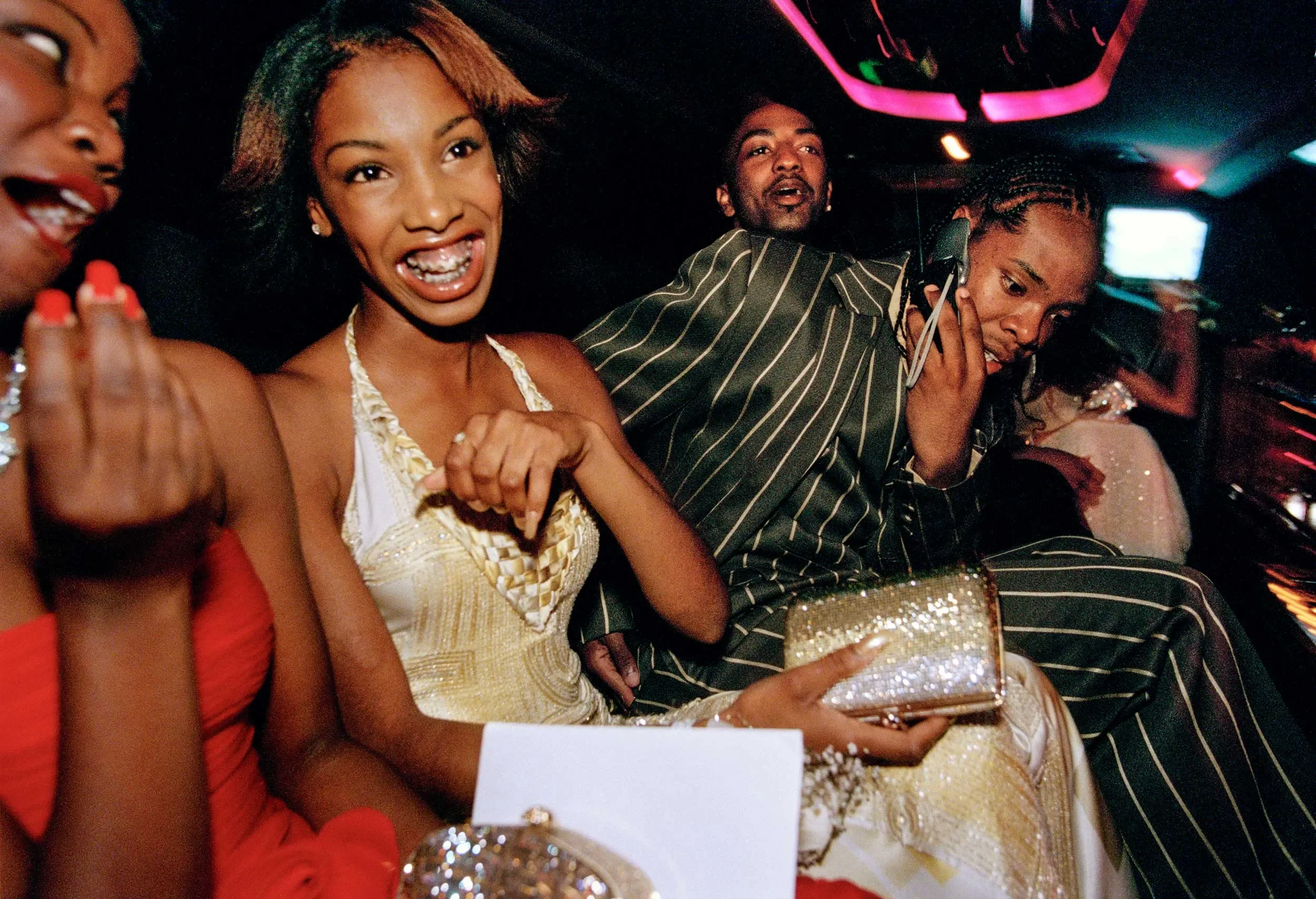
I have watched countless interviews with artists such as Dr. Dre, Kendrick Lamar, and ScHoolboy Q talk abundantly about how they never know what will actually stick; what will resonate the most with an audience. Lauren Greenfield seems to have had a similar experience with this when National Geographic decided to fund her Los Angeles Kids project instead of the Maya story. What I found the most interesting about this project is how the sitter of her most important photograph, Mijanois, isn’t actually rich. Mijanois as a person is the perfect protagonist for an audience who can’t relate to the L.A. kids depicted in these photos because like us: she is an outsider. She is able to guide us through this “strange” world that is influenced by Hollywood culture.
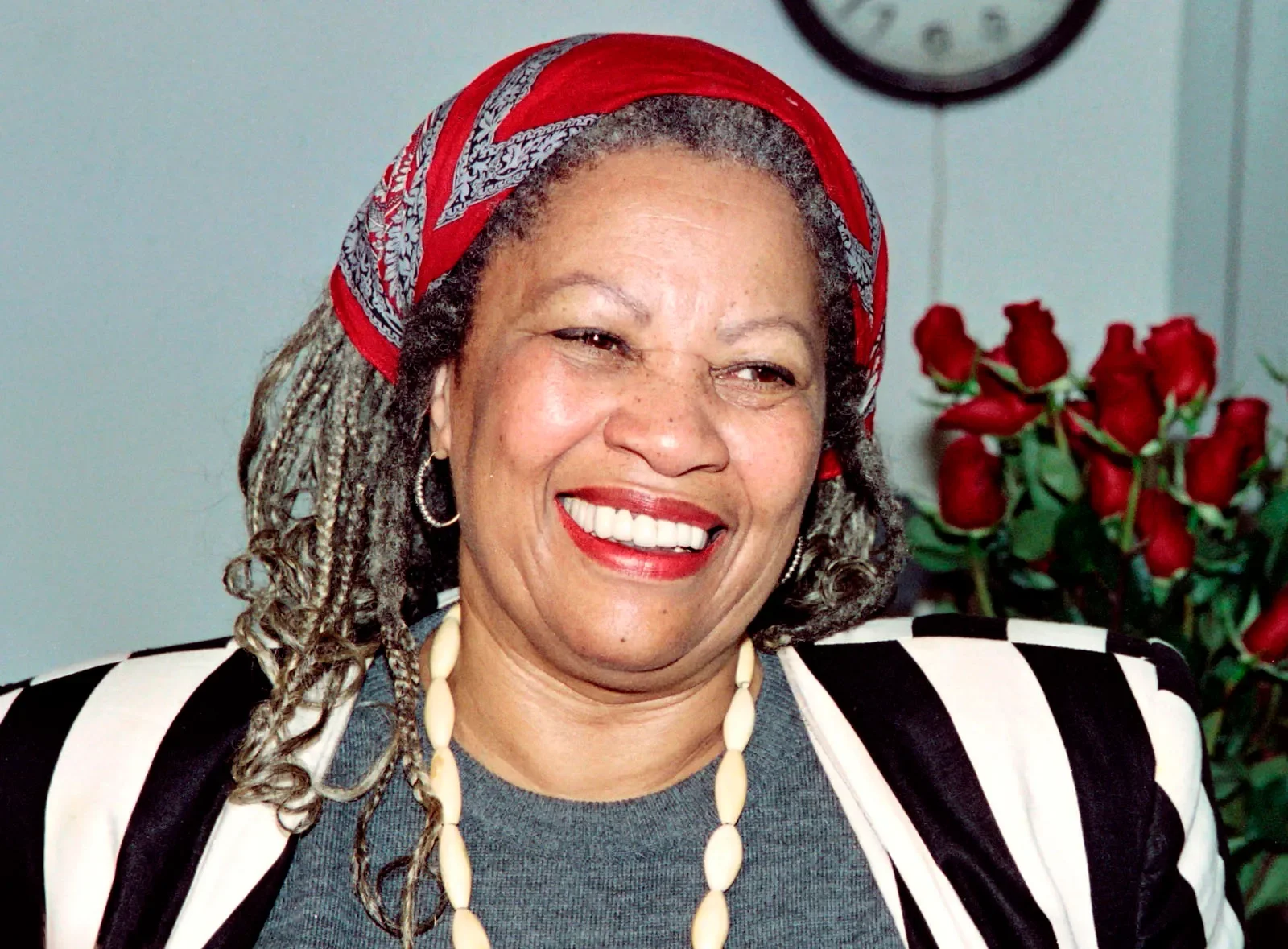
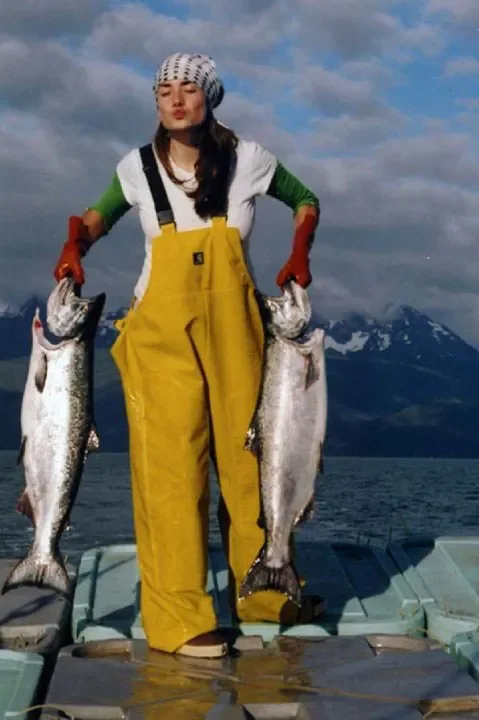
Admittedly, I don’t know what to make of the reading The Fisherwoman by Toni Morrison. From what I can understand, this reading relates to the concept of evidence through its mentioning of language, image, and experience in relation to art. Image is the most relevant of the three as it is described as “...rules the realm of shaping, sometimes becoming, often contaminating, knowledge. Provoking language or eclipsing it, an image can determine not only what we know and feel, but also what we believe is worth knowing about what we feel,” (Morrsion, 1998). Morrison's statement of image determining a person's reality coincides with the definition of photography that is offered in the evidence assignment: a photograph is a record of actuality.